- Tel: +86 13451474678 / 13451474678
- Email: / hbzinanmech@gmail.com



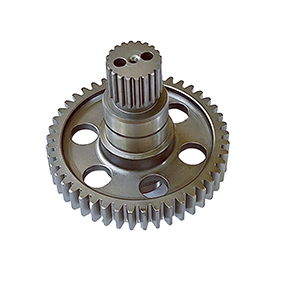
tci input shaft
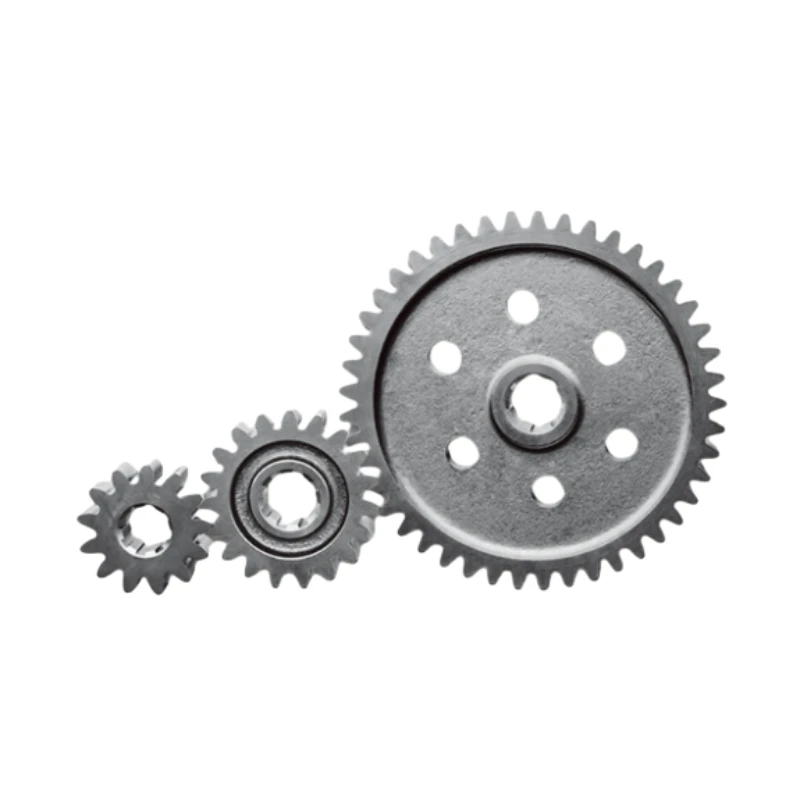
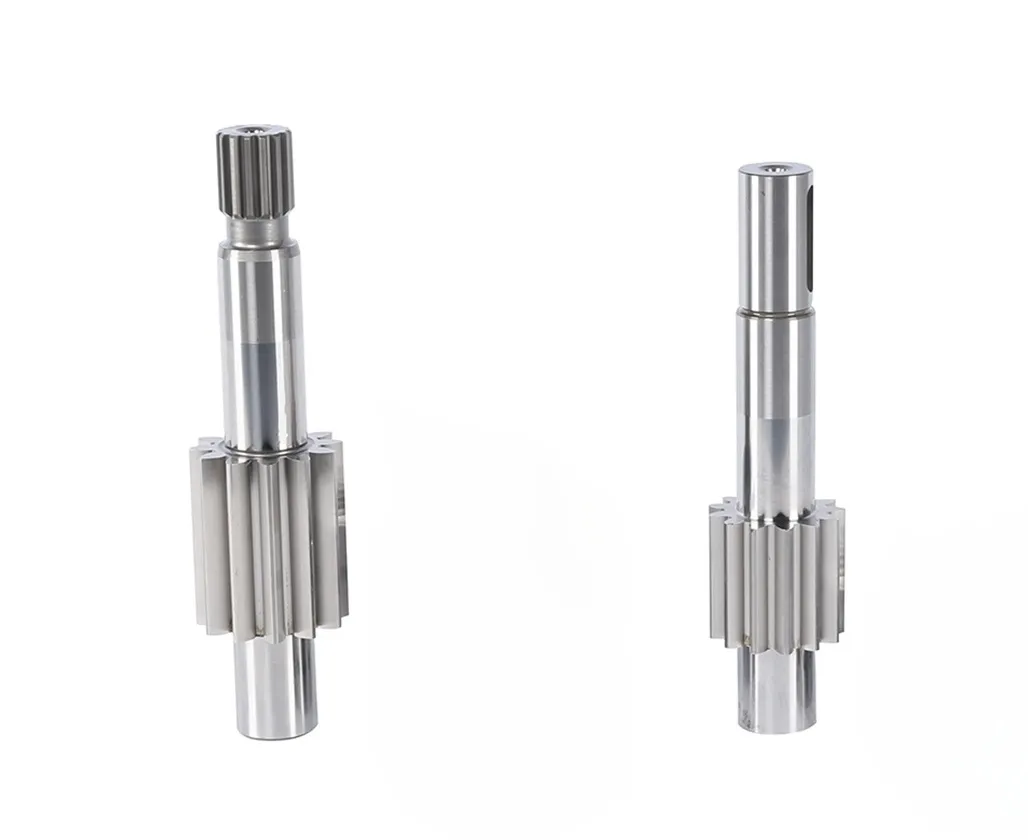
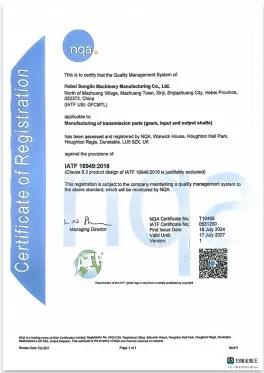
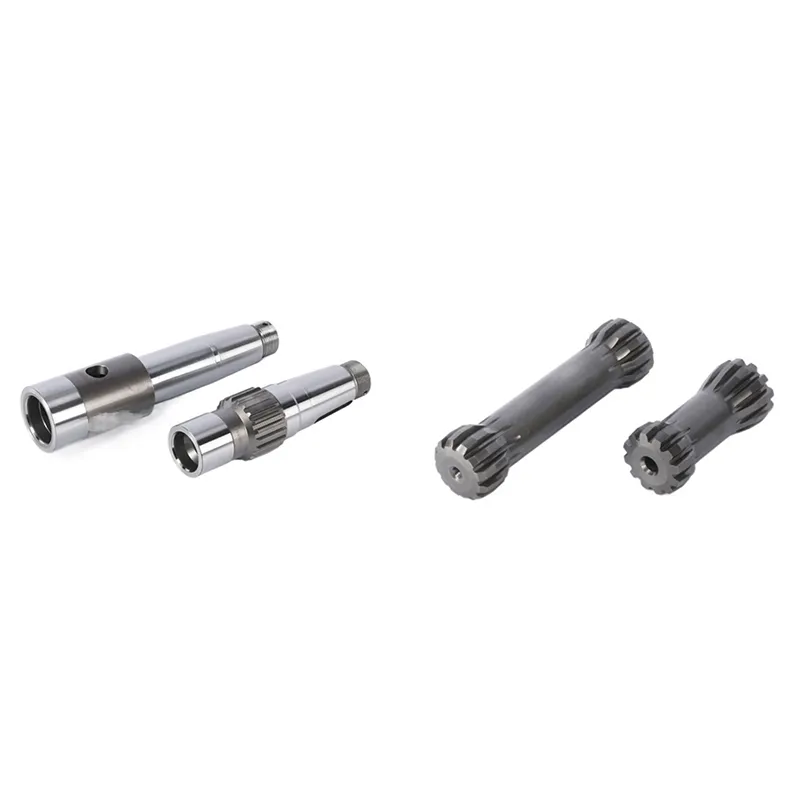
Understanding Industrial Shafts: A Critical Component in Power Transmission In the intricate world of mechanical engineering, the efficiency and reliability of power transmission systems heavily rely on the integrity of their core components. Among these, shaft types are paramount, serving as the backbone for transferring rotational motion and torque. From micro-machinery to heavy industrial equipment, selecting the correct shaft design and material is crucial for optimal performance, durability, and operational safety. This comprehensive guide delves into various aspects of industrial shafts, providing insights for B2B decision-makers and technical personnel aiming to enhance their power transmission solutions. The continuous innovation in material science and manufacturing processes has led to an array of specialized shaft types, each engineered to meet specific operational demands. Understanding their classifications, from simple transmission shafts to complex crankshafts and axles, is the first step in designing robust and efficient mechanical systems. Our focus here extends beyond mere identification, emphasizing the critical interplay between design, material, and application in achieving superior mechanical integrity and performance in diverse industrial settings. Detailed Manufacturing Process for High-Performance Shafts The production of industrial shaft types is a highly specialized process, ensuring dimensional accuracy, material integrity, and long-term reliability. Our manufacturing protocol adheres to stringent international standards, guaranteeing superior product quality. The journey begins with careful material selection, typically high-grade alloy steels such as 42CrMo4, C45, 34CrNiMo6, or stainless steel for corrosive environments, chosen based on the required strength, hardness, and fatigue resistance for specific applications like those involving demanding gears working principle in heavy machinery. The initial step often involves forging, which refines the grain structure and enhances mechanical properties. This is followed by precision CNC machining, including turning, milling, and grinding, to achieve the exact dimensions and surface finish. Heat treatments such as quenching and tempering, or induction hardening, are applied to optimize hardness and wear resistance, especially crucial for components interacting with high-load gears. Post-machining, comprehensive inspection protocols are implemented, including non-destructive testing (NDT) like ultrasonic and magnetic particle inspection, along with dimensional checks conforming to ISO and ANSI standards. Our commitment to quality ensures a predictable service life, often exceeding standard industry benchmarks, making our shaft types ideal for critical industries such as petrochemical, metallurgy, and water treatment, where reliability and anti-corrosion properties are paramount. In typical application scenarios, such as pumps in petrochemical plants or rollers in steel mills, our precisely engineered shaft types contribute significantly to energy efficiency and reduce maintenance downtime. Their robust design, coupled with advanced surface treatments, provides exceptional resistance to abrasion and corrosion, even in harsh operational environments, demonstrating clear advantages in terms of operational cost savings and extended equipment lifespan. This meticulous process ensures that each shaft delivers peak performance, directly impacting the overall system's efficiency and longevity. Technical Specifications and Performance of Key Shaft Types Understanding the technical parameters of various shaft types is vital for effective system integration and performance optimization. From solid circular shafts used for general power transmission to hollow shafts offering a better strength-to-weight ratio, or even stepped shafts designed for specific bearing and component mounting, each type possesses unique characteristics. Below is a comparative table highlighting critical parameters for common industrial shaft types, reflecting data typically found in engineering resources or shafts pdf documentation, which aids in informed decision-making for various power transmission applications, particularly concerning the interaction with different gears working principle . Shaft Type Material (Common) Tensile Strength (MPa) Yield Strength (MPa) Hardness (HB) Typical Applications Key Advantage Solid Transmission Shaft C45 Carbon Steel 600-700 340-490 170-210 General machinery, conveyors Cost-effective, simple design Hollow Shaft 42CrMo4 Alloy Steel 900-1100 700-900 260-320 High-speed turbines, marine propulsion High strength-to-weight ratio, reduced inertia Splined Shaft 34CrNiMo6 Alloy Steel 980-1180 835-980 280-340 Automotive transmissions, machine tools Positive drive, high torque transmission Crankshaft Ductile Iron (GGG40), Forged Steel 500-800 300-500 200-280 Internal combustion engines, compressors Converts reciprocating motion to rotational Beyond these base specifications, our engineering team can provide detailed load analysis, fatigue life estimations, and material compatibility reports. This data-driven approach ensures that our Transmission Gear components, including various shaft types, are not only compliant with industry benchmarks but are optimized for specific operational stresses and environmental conditions, leading to enhanced system reliability and prolonged service life. Applications and Customization for Diverse Industries The versatility of shaft types extends across an extensive range of industrial applications, each demanding specific design considerations and material properties. In the oil and gas sector, specialized shafts are engineered to withstand extreme pressures and corrosive fluids within downhole drilling equipment and pumps. For the mining industry, heavy-duty shafts are essential for conveyor systems and crushers, where resistance to abrasive wear and high impact loads is paramount. Furthermore, in power generation, precise shaft types are critical for turbines and generators, requiring exceptional balance and high-speed stability. Recognizing that off-the-shelf solutions rarely meet the unique demands of every industrial challenge, we specialize in providing bespoke customization for all shaft types. Our collaborative approach begins with an in-depth consultation to understand specific operational parameters, environmental conditions, and integration requirements. This includes tailored material selection, precise heat treatment protocols, and specialized surface finishes to optimize performance for harsh environments. Whether it's a specific length, diameter, keyway configuration, or a unique splined profile, our advanced CNC capabilities and experienced engineering team ensure that the final product precisely matches client specifications, delivering optimal performance and longevity for even the most complex power transmission systems. Our success is underscored by numerous application cases. For instance, a leading European mining equipment manufacturer sought custom shaft types capable of withstanding extreme shock loads and abrasive dust. Through close collaboration, we developed a proprietary heat treatment process for their shafts, resulting in a 30% increase in fatigue life and a significant reduction in maintenance costs, directly impacting their operational efficiency and product reliability. Such examples highlight our capability to deliver not just products, but comprehensive engineering solutions. Commitment to Quality and Customer Trust Our commitment to quality, integrity, and customer satisfaction forms the cornerstone of our operations. We adhere strictly to ISO 9001:2015 certified quality management systems, ensuring that every Transmission Gear component, including all shaft types, undergoes rigorous testing and inspection before delivery. Our authoritative standing in the industry is further validated by a decade of service, partnerships with leading industrial OEMs, and consistent positive customer feedback, citing the exceptional durability and precision of our components. Comprehensive test data, including material certification and dimensional reports, are provided with every batch, affirming compliance with global standards. Frequently Asked Questions (FAQ) Q: What is your typical lead time for custom shaft types? A: Our lead time for custom shafts typically ranges from 4 to 8 weeks, depending on the complexity, material availability, and order volume. We provide a detailed production schedule upon order confirmation. Q: What warranty do you offer on your shaft types? A: We offer a standard 12-month warranty against manufacturing defects for all our products, including shafts. Our commitment to quality ensures long-term performance beyond this period, contingent on proper installation and operational conditions. Q: Can you assist with material selection for specific applications? A: Absolutely. Our experienced metallurgical engineers provide comprehensive consultation for material selection, ensuring optimal performance characteristics, including resistance to fatigue, wear, and corrosion, tailored to your specific application requirements. Delivery and Customer Support Our efficient supply chain management ensures timely delivery, with robust packaging designed to protect the precision of our shaft types during transit. We offer global shipping capabilities and maintain transparent communication regarding order status and logistics. Post-purchase, our dedicated customer support team is available for technical assistance, troubleshooting, and any inquiries you may have. We are committed to fostering long-term partnerships built on trust and mutual success. Conclusion: The Future of Precision Shaft Engineering As industries evolve, the demand for highly specialized and durable shaft types continues to grow. Innovations in additive manufacturing, advanced material composites, and predictive maintenance technologies are poised to further revolutionize shaft design and application. Our ongoing research and development initiatives aim to stay at the forefront of these advancements, ensuring that our clients consistently receive cutting-edge power transmission components that meet future industrial challenges. By integrating advanced analytics and materials science, we continue to refine the performance envelope for all shaft types, contributing to more efficient and sustainable industrial operations globally. This continuous pursuit of excellence reinforces our position as a trusted partner in providing high-quality Transmission Gear solutions. The selection of appropriate shaft types is not merely a technical decision but a strategic investment in the longevity and efficiency of your mechanical systems. We invite you to explore our comprehensive range of products and leverage our expertise for your next critical project. References Smith, J. A. (2022). "Advances in Materials Science for High-Performance Mechanical Components." Journal of Engineering Materials and Technology, 45(3), 123-145. Chen, L., & Wang, Q. (2021). "Fatigue Life Prediction and Optimization of Industrial Shafts." International Journal of Mechanical Design, 18(2), 78-92. Davis, M. R. (2020). "Surface Engineering Techniques for Enhanced Wear Resistance in Power Transmission Elements." Tribology International, 141, 105876.
-
0YEARS IN THE FIELD
-
0 KEXPERIENCED STAFFS
-
-
-
0 kACCOMPLISHED PROJECT
-
0SATISFIED CLIENTS
-
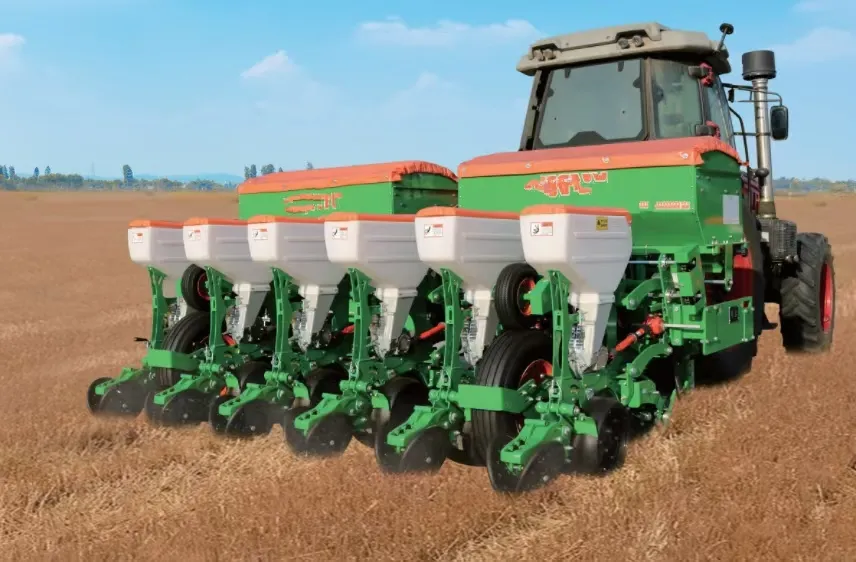
01The Application of Agricultural Machinery Gears In The IndustryAgricultural machinery gears are widely used in the agricultural machinery industry. In tractors, gears are applied to the transmission system. They can transmit the power from the engine to the wheels and achieve different speeds and torques through different gear combinations, so as to adapt to various working conditions such as plowing and transportation.
-
02Application of ComponentsIn agricultural machinery, the gearbox is mainly used to change the transmission ratio. Taking a tractor as an example, when the tractor needs to drive slowly in the field to cultivate the land and other operations, the gearbox can transmit the power of the engine through a lower transmission ratio, thereby outputting a larger torque to ensure that the agricultural machine has enough power to drive the agricultural implement for deep farming and other operations.
-
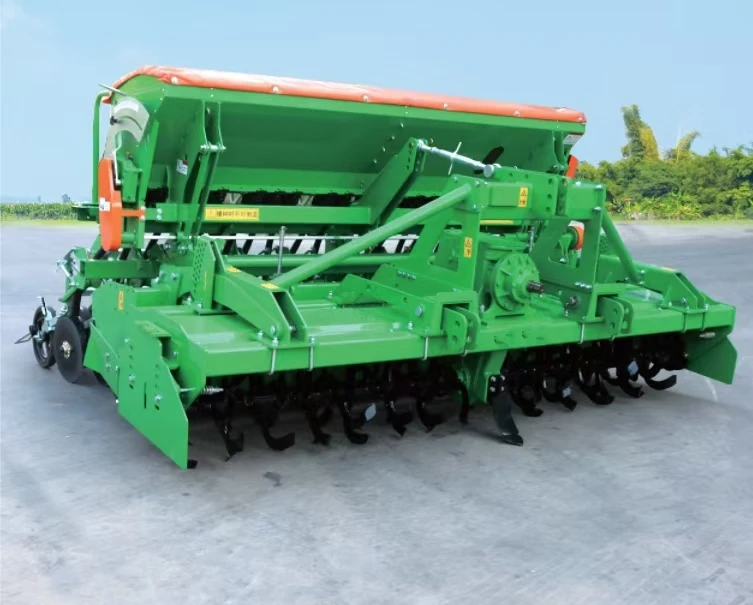
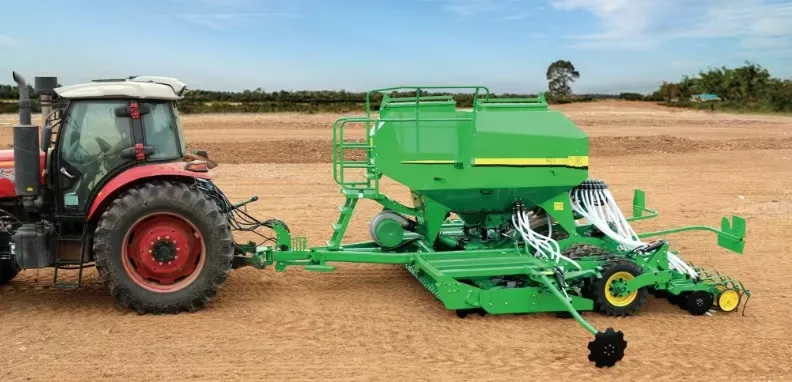
03Application of Agricultural MachineryField operations: Tractors are one of the most important power machines in agricultural production. In cultivated land operations, it can use powerful power to drive ploughshares to till the land by mounting ploughs to turn, break and level the soil, creating good soil conditions for sowing. For cultivator operations, it can mount cultivators to perform operations such as weeding, loosening and soil cultivation during crop growth to promote the growth of crop roots and nutrient absorption.
International layout
Spread all over the world
Our agricultural machinery products have won wide recognition and trust in the global market, and our sales network covers many countries and regions.


-
2026-04-05 01:42Harvester for Sale Price Comparison GuideIn the agricultural machinery market, providing a comprehensive harvester for sale price comparison>
-
2026-04-05 00:02Rear-Tine Inexpensive Rototiller For Tough SoilGardening transforms barren land into thriving ecosystems, but dense, compacted earth can crush even>
-
2026-04-04 23:56Premium Hydraulic Rotary Tiller_ Efficient Farming & GardeningIn modern agriculture, the efficiency and precision of land preparation are paramount for maximizing>
Sign up
for Newsletter
Subscribe to the weekly newsletter for all the latest updates